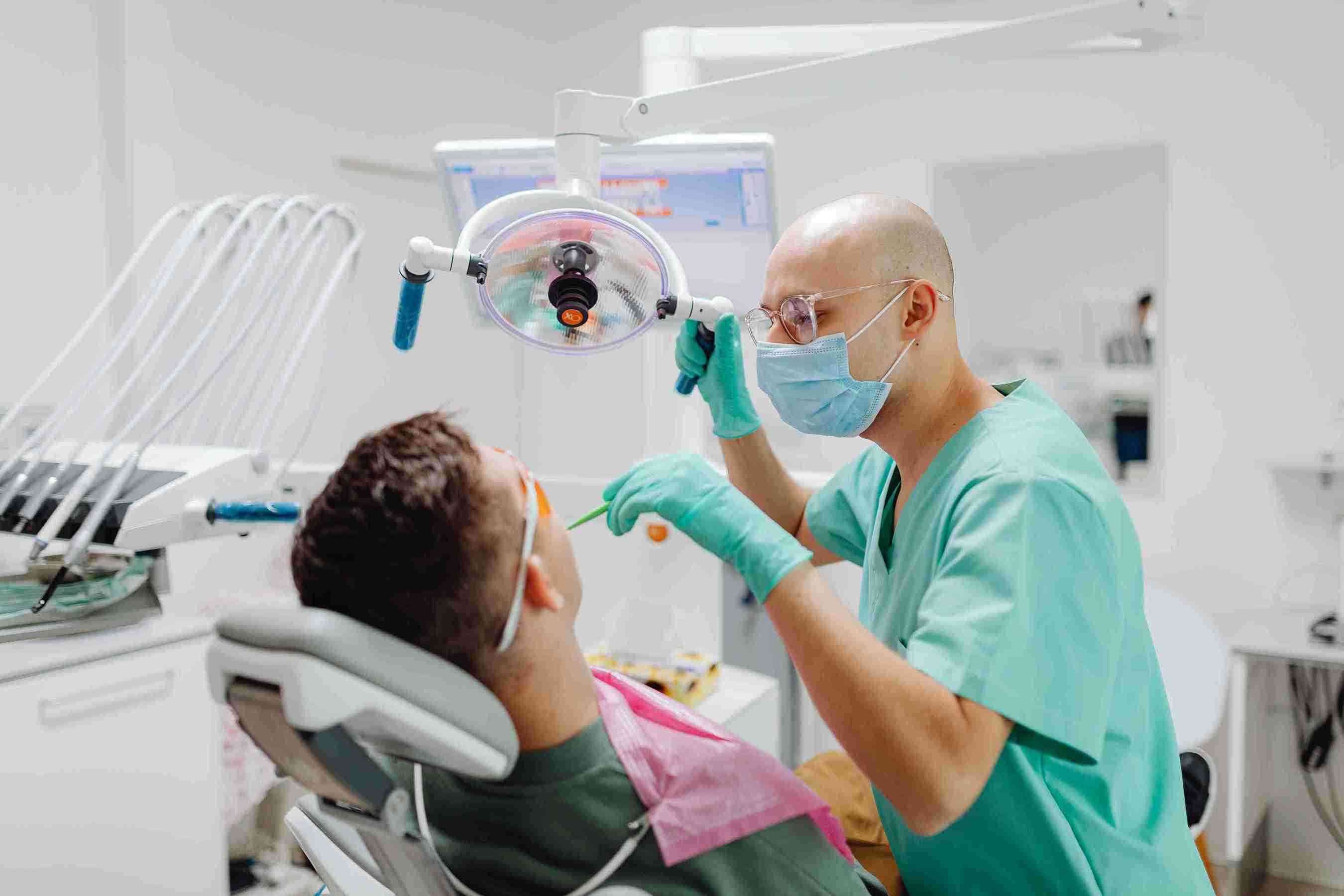
People looking for a dentist are usually in a hurry or afraid: a toothache, an implant that keeps being postponed, a whitening evaluation. The decision is local and happens fast. That is why paid traffic can work well for dental clinics — as long as the campaign is designed for that reality and not copied from e-commerce.
Google Ads and Meta Ads: each has a role
- Google Ads (search network) — captures people who are already searching: "dentist near me", "emergency dentist", "dental implants in [neighborhood]". Intent is high, so it is usually the best starting point for emergencies and higher-value treatments.
- Meta Ads (Instagram and Facebook) — creates demand instead of capturing it. It works better for elective treatments, such as whitening and orthodontics, and for building the clinic's brand in the area.
What a dental campaign needs
- Local targeting — ads aimed at the neighborhood and nearby towns the clinic actually serves.
- Frictionless contact — WhatsApp and call buttons, with every click tracked.
- A fast landing page — with treatments, accepted insurance, address, opening hours, and real patient reviews.
- Ad hours aligned with the front desk — an ad that brings a contact when nobody answers is wasted money.
- Negative keywords — to filter out searches like "course", "school" or "job", which never become patients.
Be careful with dental advertising rules
In Brazil, dentist advertising is regulated by the Federal Council of Dentistry (CFO) and regional councils. In general, rules of this kind restrict promises of results, price disclosure, aggressive promotions and before-and-after images, and ad platforms also have their own health policies. In other countries, check the rules of your professional board or health authority. Before publishing any creative, confirm the current rules. When in doubt, don't publish.
Measure cost per patient, not cost per click
A cheap click doesn't pay for the chair. Track contacts received, appointments booked, patients who showed up, and treatments closed. With those numbers you can calculate what it costs to win a patient and decide how much to invest. And remember: if the front desk is slow to answer on WhatsApp, the best ad in the world loses the patient.
Paid traffic alone is not enough
Ads bring patients only while the investment is active. A complete Google profile (Business Profile, formerly Google My Business), real reviews and a website with pages for each treatment and neighborhood bring patients steadily over time. The two channels reinforce each other.
Frequently asked questions
How much should a dental clinic invest in ads?
There is no universal number: it depends on the city, the competition and the treatment. Start with an amount that lets you collect data for a few weeks, measure cost per patient and adjust. Investing too little usually produces too little data to decide.
Google Ads or Instagram: which is better for dentists?
For people already looking for care (pain, emergency, implants), Google Ads is usually the starting point. Instagram and Facebook help generate demand for elective treatments such as whitening and orthodontics. Many clinics use both, each with a different goal.
How long until the first patients arrive?
Search ads can generate contacts in the first days, but optimization takes a few weeks. Organic results, such as SEO and the Google Business Profile, usually take months.